Camelot (2023 revival)

  • Camelot 

4/2/23 (Sun), Lincoln Center

The magic is gone from this musical in more ways than one. Still in previews, it’s selling robustly on the strength of Bartlett Sher’s reputation with his past Lincoln Center productions, including an awesome South Pacific and The King & I and a woke (but popular) version of Lerner and Loewe’s previous show My Fair Lady. These productions offered gorgeous costumes and scenery, full orchestras with lush arrangements, and top-class performers. I was discouraged at first after reading an interview with the Lancelot, who boasted that the show included actors who are blind and use prosthetics so as to better represent America. See what’s missing there? How about talent? In any event, curiosity got the better of me, and I managed to get an excellent non-premium ticket (center orchestra!) an hour before showtime.

Continue reading

Egoist (エゴイスト)

  • エゴイスト (Egoist)

5/4/23 (Thurs)

The handsome, buff and gay Kosuke has left a poor and closeted life in the countryside and become a successful fashion consultant in Tokyo, complete with fabulous wardrobe, a gorgeous condo and a close gay circle where he plays the sophisticate. We come to realize that he’s also terribly lonely; having lost his mother at a young age, he yearns for the human touch.

**Spoilers ahead**

Continue reading

A Look Back: Harry Belafonte

Harry Belafonte, who died yesterday at 96, is probably better known these days as a civil rights activist than singer or actor, but he was a formidable presence on all fronts. While he was merely serviceable in the great screen version of Carmen Jones (where they strangely dubbed his singing voice), he gave an interesting turn in a later film, The Angel Levine, as a divine being sent from heaven to save a troubled Orthodox Jew. My review of that curiosity is below. RIP.

Continue reading

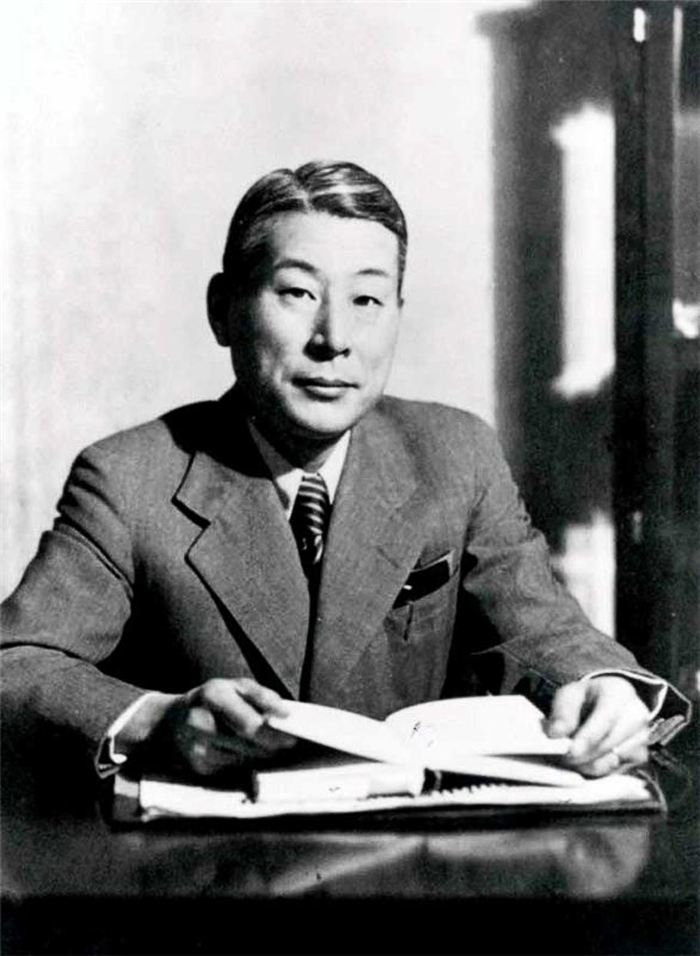
Chiune Sugihara: Life and Legacy

A Japanese Diplomat’s Daring Wartime Rescue of 6,000 Jews

https://upload.wikimedia.org/wikipedia/commons/e/e8/Sugihara_b.jpg

**Rights to all material herein are reserved. For inquiries, please write the author of this blog.** Continue reading

Fiddler: Miracle of Miracles

  • Fiddler: Miracle of Miracles

4/8/22 (Sat)

This disappointing 2019 documentary explores the origins and influence of Fiddler on the Roof, the 1964 work that is one of the crowning achievements of the musical stage. Fiddler, at one point the longest-running show in Broadway history, is nominally about the life of a poor Jewish milkman and his family in a Ukrainian shtetl in the early 20th century, but on a wider level it portrays a community struggling to maintain its identity in a changing world. That universal theme has made the show extraordinarily popular worldwide; it has been a tremendous success for decades here in Japan, which staged one of the first of many foreign (and foreign-language) productions. However, the documentary has other ideas, as suggested in its Wikipedia summary: “Scholars examine the play’s themes of xenophobia, gender equality, civil rights, and religion.” Therein lies the problem.

Continue reading

Kochiyama Soshun (河内山宗俊)

  • 河内山宗俊 (Kochiyama Soshun), 2/14/23 (Tues)

The 1936 jidaimono Kochiyama Soshun, given the inexplicable English title of Priest of Darkness, is the second of only three surviving films (out of around two dozen) by the prewar director Yamanaka Sadao. While generally considered the weakest of the three, that’s still a pretty high bar; it’s interestingly one of animator Miyazaki Hayao’s all-time favorites.

The film draws loosely from both the Kochiyama and Naojiro plot strands of the Meiji Era (1881) Kabuki play Kumo ni Magou Ueno no Hatsuhana (The First Flowers of Ueno), one of the all-day extravaganzas by the prolific Kawatake Mokuami. Those stories are usually performed these days as separate plays, but Yamanaka brings them together in an ingenious restructuring of the original. (He did a similar impressive overhaul of another Mokuami work in his next and final film, the supreme Humanity and Paper Balloons.)

Continue reading

Pacific Overtures (太平洋序曲, UK-Japan co-production)

  • 太平洋序曲 (Pacific Overtures), 3/12/23 (Sun), Tokyo

Pacific Overtures

British director Matthew White doesn’t let the script get in the way of his vision in his Japanese-language version of Pacific Overtures, a co-production between London’s Menier Chocolate Factory and Osaka’s Umeda Arts Theater that debuted in Tokyo a few days ago. He makes his ideas clear in his statement on the show’s website: “At a time when my own country, through Brexit, has opted to isolate itself from its European neighbors, I find it both fascinating and enlightening to investigate a period in recent history when Japan came to the opposite conclusion – that the only sensible option was to engage with the rest of the world to embrace new technologies and to demonstrate that anything the West could do, Japan could do better.”

He doesn’t note that Japan’s decision was forced upon it by the overt threat of military force from the Western powers, resulting in civil war, a wholesale upheaval of society, and the rise of a military regime that led the nation ultimately to disaster. The show’s original ending features a touching twinge of regret for a lost innocence, questioning whether the nation’s choices have been all for the good. The only other Tokyo production of this show some two decades ago, helmed by a Japanese director, enhanced that with a scene alluding to the nation’s unhappy experience in WWII to highlight the high price it has paid for its actions. That’s without mentioning that Japan has managed to engage with the world even with its Westernized ways without compromising its independence. The show seems a strange place to preach the evils of Brexit.

Continue reading

Kabuki: The Blood Revenge at Kameyama (霊験亀山鉾)

  • Kabuki: 霊験亀山鉾  (The Blood Revenge at Kameyama), Tokyo Kabukiza

One of the prolific Tsuruya Nanboku’s typical madcap stories making its Kabukiza debut. I was mainly interested in seeing Kataoka Nizaemon, a National Living Treasure, in an evil role, where he’s pretty much unequaled on the Kabuki stage.

It’s as impossible to sum up the full story as it was to follow it, with its huge cast of characters, interlocking stories, and numerous twists and turns, not to mention the double-casting of key roles. The Kameyama vendetta is a famous example of the genre (though not one of the Three Great Vendettas as the program claims), and that story lies at the heart of this complex play. Basically, the evil Mizuemon has killed a man in a surprise attack, then poisons the man’s brother in a cowardly trick without fighting the official vendetta honorably. Their adopted brother then vows to avenge their death.

Continue reading

Putney Swope

  • Putney Swope, 1/18/23 (Wed)

It’s hard to know what to make of Robert Downey Sr.’s insane scattershot satire on the advertising world. He seems to throw everything he can think of at his many targets hoping something will land. A lot of its irreverent jokes on race, religion, sexuality, weight and more would be verboten in today’s sensitive world, and the entire thing reeks of a long-lost era. That doesn’t make it good, but it’s eye-opening for sure – and a lot of laughs.

Continue reading